What Size Meat Grinder Do I Need?
Choose a #8 for occasional home batches and a #12 for larger or more frequent sessions. To decide what size meat grinder you need, weigh your usual batch, storage space, and plans for sausage or game.
On this page (8 sections)
- What size meat grinder do you need for home use?
- How do you match grinder size to your batch?
- How often will you grind meat?
- Which #12 grinder fits your counter and routine?
- When does a #5 meat grinder make sense?
- What should you prepare before using a meat grinder?
- What mistakes lead to the wrong grinder size?
- Which meat grinder size should you choose?
Choose a #8 meat grinder for occasional home batches and a #12 for larger or more frequent sessions. To decide what size meat grinder you need, consider your usual batch, how often you grind, storage space, and whether you plan to make sausage.
Grinder numbers are a useful starting point, but the best fit also depends on capacity, stated processing rate, weight, and included parts. A compact #5 may suit light home use, while a heavy #12 can make more sense for bulk meat or game.
What size meat grinder do you need for home use?
A #8 suits occasional batches, while a #12 is better suited to larger or more frequent grinding. Use the size label as a first filter, then compare the machine’s capacity and physical footprint with your routine.
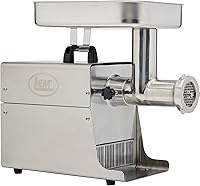
The LEM #8 is described for occasional home grinding and processes 2–3 lb per minute. The LEM BigBite #12 has a 7 lb capacity and is described for medium to large batches, with a rate of up to 11 lb per minute.
Those rates are manufacturer-stated figures, not a promise for every meat or preparation. For a closer look at features beyond size, read what makes a good meat grinder for home use.
How do you match grinder size to your batch?
Start with the amount you expect to grind in one session, then check capacity and rate. A larger capacity may reduce how often you refill, while a smaller machine can be easier to store and move.
A #8 can be a sensible fit for a few pounds of meat for burgers or an occasional sausage batch. If you regularly process bulk meat or game, a #12 offers more capacity and may help you work through a session faster.
The LEM BigBite weighs 33.1 lb and measures 20.24 x 9.13 x 15.98 in. Its stainless steel parts, plates, knife, stomper, and stuffing tubes suit cooks who expect to grind often and want sausage-making parts in the same setup.
Choose it if you have a dedicated counter or storage spot and process larger batches. Skip it if you grind only a few pounds now and then or need to lift the machine in and out of a cabinet after every use.
How does a #12 compare with a #8 for home grinding?
The LEM BigBite #12 has a 7 lb capacity, compared with 5 lb for the LEM #8. The BigBite is also much heavier, so the larger size brings a storage and handling tradeoff.
The LEM #8 weighs 11.3 lb and measures 14.17 x 6.89 x 13.78 in. Measure the counter, cabinet opening, and lifting space before you settle on either machine.
Our #8 vs #12 meat grinder comparison explains the size differences in more detail.
How often will you grind meat?
For occasional burgers or sausage, a #8 is often the more practical starting point. If you grind frequently, process game, or buy meat in bulk, consider a #12 and make sure you have a place to keep it assembled or easy to reach.
The LEM #8 is the better fit for cooks who value a smaller machine for periodic home batches. It handles beef, pork, poultry, and game, but it is not intended for grinding bones.
Choose another size if your regular sessions exceed its capacity or you expect to grind often. For a sausage-focused setup, compare it with the options in our guide to meat grinders for sausage making.
Which #12 grinder fits your counter and routine?
Choose between these #12 models by comparing their size, controls, and stated processing rate. Both can suit home grinding, but their included features and physical dimensions differ.
The Weston #12 measures 15 x 10 x 10 in and is described as grinding 4–5 lb per minute. Its slower first speed is intended for stuffing sausage, the faster speed for grinding, and reverse can help clear jams.
It suits a home cook who wants a #12 with two speeds and a lighter listed weight than the LEM BigBite. Skip it if you need the BigBite’s larger stated capacity or want a grinder described for raw chicken bones.
For more electric options, see the best electric meat grinders for home use.
When does a #5 meat grinder make sense?
A #5 can suit light home use when a compact footprint matters most. The VOJPGJP measures 9.92 x 5.78 x 12.59 in and comes with sausage tubes and a kubbe kit.
Its capacity and processing rate are not specified, so it is harder to match to a larger batch or frequent use. Consider it for a small kitchen and occasional grinding when its attachments meet your plans.
Skip it if you need a known capacity or rate to plan bulk processing. A model with published capacity and processing details makes that choice easier.
What should you prepare before using a meat grinder?
Set up the grinder on a stable counter with enough room for the machine, meat, and a collection bowl. Check the manual for assembly and operating instructions, and confirm the included plates and attachments suit your recipe.
Keep the meat cold and cut it into pieces that fit the feed opening. Work in manageable batches, use the stomper rather than fingers to guide meat, and avoid forcing pieces through when the grinder slows.
For assembly help, follow our guide on how to put a meat grinder together. After grinding, disassemble the parts that contact food and clean them according to the manufacturer’s care instructions.
What mistakes lead to the wrong grinder size?
The most common sizing mistake is choosing by the number alone and ignoring batch size, weight, and storage. A grinder that fits your workload can still be a poor choice if you cannot comfortably set it up or put it away.
- Buying too small for regular bulk work: A compact model may mean more batches and longer sessions.
- Buying too large for occasional use: A heavy machine can take up counter and storage space without helping much with small batches.
- Treating rates as guaranteed: Actual speed can vary with the meat and preparation, so use stated rates as a comparison point.
- Overlooking attachments: Check for the plates, stomper, or stuffing parts you plan to use.
- Assuming every grinder handles bones: The LEM BigBite #12 is described for raw chicken bones; the LEM #8 is not for bones. Confirm the intended use for any other grinder before attempting it.
If your grinder keeps clogging, the cause may relate to meat preparation, the plate, blade, or setup. See why a meat grinder keeps clogging for practical troubleshooting.
Which meat grinder size should you choose?
For what size meat grinder you need, choose by your typical batch and how often you grind. Pick the LEM #8 for occasional sessions and easier handling, the LEM BigBite #12 for larger batches, or the Weston #12 for two speeds and reverse.
The VOJPGJP #5 is the compact option if a small footprint and its sausage and kubbe attachments fit your plans. Its capacity and rate are unspecified, so it is a less suitable choice when you need to plan frequent or larger sessions.
Measure your storage space before choosing a #12. If burgers are your main reason for buying a grinder, continue with how to grind your own hamburger meat.
Frequently asked questions
What size meat grinder is best for home use?
A #8 grinder suits occasional home batches. A #12 can fit larger or more frequent sessions.
Consider how much you grind at once, where you will store the machine, and whether you plan to make sausage.
The LEM #8 has a 5 lb capacity; the LEM BigBite #12 has a 7 lb capacity.
Is a
Yes. The #12 and #8 labels indicate different grinder sizes, but compare each machine's footprint, weight, capacity, and processing rate too.
The LEM BigBite #12 weighs 33.1 lb and measures 20.24 x 9.13 x 15.98 in.
The LEM #8 weighs 11.3 lb and measures 14.17 x 6.89 x 13.78 in.
How much meat can a home grinder process?
It depends on the grinder and the meat. The LEM #8 is described as processing 2–3 lb per minute, while the LEM BigBite #12 is described as processing up to 11 lb per minute.
Treat those figures as guides and choose based on your batch size, preparation, and storage space.
Can a small meat grinder make sausage?
Some small grinders include sausage stuffing parts for occasional sausage making. The LEM #8 includes a stuffing tube and plate.
Check that the parts suit the sausage size and style you want, and plan to use the grinder's stuffing setting or speed if it has one.