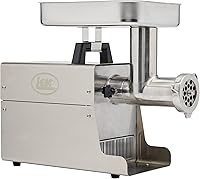
#8 vs #12 Meat Grinder: Which Size Fits You? (October 2026)
Choose a #8 grinder for small to medium batches and a #12 for medium to large batches. The LEM #12 has more motor power and a higher stated grinding rate, but your batch size should guide the choice.
On this page (6 sections)
Choose a #8 meat grinder for small to medium batches and a #12 for medium to large batches. In this #8 vs #12 meat grinder comparison, the LEM #12 has more motor power and a higher stated grinding rate, while the LEM #8 is aimed at smaller batches.
The size number alone doesn't tell you how much meat you'll grind or how often. Think about your usual batch and whether you also want to stuff sausage.


#8 vs #12 meat grinder: which size should you choose?
Choose the #8 for modest batches and the #12 when you regularly process more meat at once. The LEM #8 is rated for small to medium batches, while the LEM #12 is rated for medium to large batches.
The LEM #8 has a 0.5 HP motor and processes about 7 lb per minute. The LEM #12 has a 0.75 HP motor and processes up to 11 lb per minute.
These are stated rates, and results can vary with meat preparation and operating conditions. Follow each grinder's instructions when preparing meat.
If you're unsure how much capacity you need, use our guide to what size meat grinder you need. It helps you start with your batch habits rather than choosing by size number alone.
What does the grinder number mean?
A #8 or #12 is a grinder size designation, not a direct measure of motor power or pounds per minute. Compare the specific model's motor, stated output and intended batch size.
That matters here because the Weston #12 has a 1 HP motor but a stated rate of 4–5 lb per minute. The LEM #8 has a lower motor rating yet a higher stated rate, so the number and horsepower don't tell the whole story.
How do the LEM #8 and #12 compare?
The LEM #8 suits smaller batches, while the LEM #12 has more power and a higher stated rate. Both have stainless steel construction and include grinding and sausage stuffing accessories.
The LEM #8 weighs 32.6 lb. The LEM #12 weighs 33.1 lb.
The weight difference is small, so storage may matter more than lifting one over the other. Both grinders weigh more than 32 lb.
Each includes three plates, a knife, stomper and stuffing tubes. The LEM #12 also includes a large meat pan and an accessory storage drawer beneath the grinder head.
Is the LEM #12 worth choosing for extra capacity?
Choose the LEM #12 if you often grind medium or large batches, or if you need to process raw chicken bones. Its stated rate is higher, and its motor is rated at 0.75 HP.
For occasional small batches, those differences may not help enough to justify choosing the larger size. The #8 is rated for about 7 lb per minute and designed for small to medium batches.
Is a #12 always faster than a #8?
No, compare the stated rate for the exact model instead of relying on its size number. The LEM #12 is rated up to 11 lb per minute, but the Weston #12 is rated at 4–5 lb per minute.
The Weston combines a 1 HP motor with 2 speeds and reverse. Its slower first speed is intended for sausage stuffing, and reverse can help prevent jams.
The Weston weighs 13.5 lb, much less than either LEM model. It has a die-cast aluminum body and metal gears, while the LEM models have stainless steel construction.
If a lighter unit that also stuffs sausage matters, the Weston may be worth comparing with the LEM options. Our Weston #12 grinder review covers that model in more detail.
Which grinder works better for sausage making?
All 3 models include sausage stuffing accessories, so choose by batch size and the kind of sausage work you do. The LEM models include stuffing tubes, while the Weston includes a stuffing funnel and spacer.
A grinder can grind meat and help stuff sausage, but those are separate tasks. If stuffing is your main priority, compare the included accessories and decide whether a dedicated stuffer would better suit your workflow.
The Weston offers 2 speeds, with its first speed intended for stuffing. The LEM grinders include stuffing tubes, but their listed features don't specify a speed setting for stuffing.
See our comparison of sausage stuffer vs grinder tubes if you expect to make sausage often. It explains when a separate stuffer may make the process easier to manage.
How should you decide based on batch size?
Estimate your typical batch and how often you'll grind before picking a size. A grinder that fits your usual routine is more useful than extra capacity you rarely need.
For burgers or a few sausage links, the LEM #8's small to medium batch focus may be enough. For bulk meat processing or larger sessions, the LEM #12 is the more natural fit.
The Weston #12 sits differently: it has a 1 HP motor, a 4–5 lb per minute stated rate and a lighter body. Its size label doesn't make it the fastest option in this comparison.
Our guide to grinding your own hamburger meat covers preparation for a common home use. Good preparation can make feeding the grinder easier, whichever size you choose.
Which #8 or #12 meat grinder fits you?
Pick the LEM #8 for small to medium batches, the LEM #12 for larger sessions, or the Weston #12 when its lighter build and stuffing controls fit your routine. Match the model to your batch size and sausage plans.
If you mainly grind modest amounts, the #8 offers a stated rate of about 7 lb per minute without stepping up to the LEM #12. If larger batches or raw chicken bones are part of your plans, consider the LEM #12 and follow its instructions.
The Weston provides a different mix: a 1 HP motor, 2 speeds, reverse and included stuffing parts, with a lower stated rate than either LEM. For a wider look at home options, see our meat grinder guide.
Frequently asked questions
What is the difference between a #8 and #12 meat grinder?
The #12 is a larger grinder size, but the actual differences depend on the model. The LEM #8 has a 0.5 HP motor and processes about 7 lb per minute, while the LEM #12 has a 0.75 HP motor and processes up to 11 lb per minute.
Is a #12 meat grinder better than a #8?
A #12 can suit larger batches because the LEM #12 is rated for medium to large batches and has a higher stated grinding rate than the LEM #8. The #8 fits small to medium batches, so it may be more practical for less meat at a time.
Can a #8 meat grinder grind bones?
The LEM #8 is not for bones. The LEM #12 can process raw chicken bones.
Follow the manufacturer's instructions for suitable bones and preparation before use.
Does a #12 grinder process meat twice as fast as a #8?
No. The LEM #12 is rated for up to 11 lb per minute, compared with about 7 lb per minute for the LEM #8.
Those stated rates don't mean the #12 is twice as fast, and actual results can depend on meat preparation and operating conditions.