How Do You Grind Your Own Hamburger Meat?
To grind your own hamburger meat, cut cold beef into small cubes, chill the grinder parts, and feed the meat through once. Season after grinding, shape patties gently, and cook them to a safe temperature.
On this page (11 sections)
- How do you grind your own hamburger meat?
- Which beef should you choose for homemade burgers?
- How cold should the meat and grinder be?
- Which plate should you use for hamburger meat?
- Which grinder suits your burger routine?
- How can you keep the grind from turning mushy?
- Should you grind the beef once or twice?
- When should you season and shape the patties?
- What common mistakes should you avoid when grinding hamburger meat?
- How do you cook home-ground burgers safely?
- Which grinder should you choose for grinding hamburger meat at home?
To grind your own hamburger meat, cut cold beef into small cubes, chill the grinder parts, and feed the meat through once. Choose a cut with enough fat for the burger you want, then season after grinding and cook patties to a safe temperature.
Grinding at home lets you choose the beef cut, fat level, and texture. It works best when the meat stays cold, the grinder suits your batch size, and you can clean its parts soon after use.
How do you grind your own hamburger meat?
Trim the beef, cut it into cubes, chill the grinder parts, and grind into a cold bowl. Use a coarse plate for a loose, textured burger or a medium plate for a finer, more even grind.
- Choose beef with enough fat for the kind of burger you want.
- Trim tough connective tissue, then cut the beef into pieces small enough for the feed opening.
- Chill the meat, grinder parts, and collection bowl.
- Assemble the grinder as its instructions show.
- Feed a few pieces at a time with the pusher.
- Season the grind lightly, shape patties, and cook them promptly.
Keep the pieces cold and firm, but not frozen solid. If the beef smears or turns pasty, stop and chill it before continuing.
Wash your hands and clean work surfaces before and after handling raw beef. The USDA guide to ground beef and food safety recommends cooking ground beef to 160°F.
Which beef should you choose for homemade burgers?
Choose a cut with enough fat to keep the patties from turning dry. Chuck is a familiar starting point, while combining cuts lets you adjust the lean-to-fat balance.
Trim large pieces of hard gristle and silver skin before cutting the beef. Leave some fat attached for a juicier patty; very lean meat can cook up firm and dry.
Think about the batch size before choosing a grinder. The guide to what size meat grinder you need explains how grinder size relates to home batches.
How cold should the meat and grinder be?
Keep the beef and the parts that touch it very cold before grinding. Cold metal helps cut the meat cleanly instead of squishing it through the plate.
Place the cut beef on a tray in the refrigerator or freezer until its edges feel firm. Follow your grinder manual for chilling its metal parts, since instructions can vary.
Set a cold bowl under the outlet and work in manageable batches. Return the bowl to the refrigerator if you need to pause.
Which plate should you use for hamburger meat?
A coarse grind makes a looser, more textured burger; a medium grind makes a finer, more uniform one. Start with one pass, then decide whether the texture suits your patties.
Don't press the meat together as it exits the grinder. Loose strands are easier to mix and shape without making the finished burger dense.
The Cuisinart Electric Meat Grinder includes medium and coarse plates, so it suits cooks who want to choose between those textures.
Its reverse function can help release clogged food. For ways to reduce stoppages, see why a meat grinder keeps clogging.
Which grinder suits your burger routine?
Match the grinder to your batch size, preferred controls, and cleanup routine. A straightforward machine fits occasional burger batches, while added settings and attachments help if you want more ways to grind or prepare food.
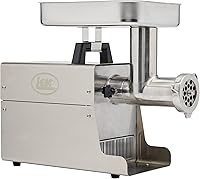
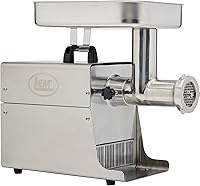
The LEM MightyBite #8 has a 500-watt motor and aluminum construction. It includes stainless steel plates, a knife, and a stomper, making it a sensible choice for regular home grinding; skip it if you only grind a small batch once in a while and don't want a dedicated appliance.
The AAOBOSI has 9 speed settings, presets, and auto-reverse. AAOBOSI advises against continuous use beyond 10 minutes to prevent overheating, so plan pauses for longer sessions; its controls and attachments may be more than you need for occasional burgers.
The CHEFFANO includes three plates and a reverse button, giving you several grind sizes and a way to help clear a clog. It suits cooks who want plate options for different recipes; skip it if you prefer a simpler setup with fewer attachments.
Before using any grinder, assemble the knife and plate in the order its manual shows. Our meat grinder assembly guide covers the basic parts and their order.
How can you keep the grind from turning mushy?
Keep the meat cold, feed it steadily, and avoid overworking it after grinding. Warm beef and a slow, smeared grind can make the texture soft.
Don't pack meat tightly into the feed opening. If the grinder struggles, switch it off and follow its instructions for clearing the blockage instead of pushing harder.
Use the pusher or stomper made for the grinder, and keep hands, sleeves, and utensils away from the opening. Forcing meat can make feeding harder and risks putting fingers too close to the moving parts.
Should you grind the beef once or twice?
One pass is a good starting point for hamburger patties. Grind twice only if you want a finer, more consistent texture.
A second pass can make the beef denser, especially if you pack it down or mix it hard afterward. Keep the meat cold between passes and stop once the texture suits your recipe.
When should you season and shape the patties?
Season after grinding and handle the beef lightly. Mixing salt into the meat well before shaping can change its texture.
Divide the cold grind into portions and shape each patty without pressing it tightly. A shallow dip in the center can help limit doming as the burger cooks.
Keep raw patties refrigerated until you're ready to cook. Clean any surface, tray, or utensil that touched raw beef before using it for cooked food.
What common mistakes should you avoid when grinding hamburger meat?
The main mistakes are letting the meat warm up, forcing the feed, and overworking the grind. Each can make grinding less smooth or produce denser patties.
Stop and chill the meat if it softens, and don't force pieces that are too large for the opening. Use the grinder's reverse function only as its instructions direct when food clogs the path.
Don't put attachments in the dishwasher unless the care instructions allow it. CHEFFANO recommends hand-washing and promptly drying its attachments; check the care instructions for any grinder you use.
How do you cook home-ground burgers safely?
Cook home-ground beef to 160°F in the center. Check the thickest part with a food thermometer instead of judging doneness by color.
Grinding exposes more of the beef to handling and can move surface bacteria through the mixture. Keep the grind cold, avoid cross-contamination, and cook patties promptly.
Which grinder should you choose for grinding hamburger meat at home?
Pick the Cuisinart for occasional batches and two texture choices, the LEM for regular home grinding, the AAOBOSI for more controls, or the CHEFFANO for three plate options. Choose based on how often you grind and which features you'll actually use.
For a simple burger routine, focus on a coarse or medium plate, steady feeding, and parts you can clean promptly. If you expect larger batches, compare the controls and attachments you need with the grinder's care instructions.
The method for how to grind your own hamburger meat stays simple: keep the beef and equipment cold, feed without forcing, shape patties gently, and cook them to 160°F. For a broader overview, read what makes a good meat grinder for home use.
Frequently asked questions
What cut of beef is best for grinding hamburger meat?
Chuck is a common choice because it has a useful balance of lean meat and fat for burgers. You can also combine cuts to adjust richness.
Trim away tough connective tissue and cut the beef small enough to fit your grinder.
Should meat be cold before grinding?
Yes. Keep the beef, grinder parts, and collection bowl cold so the meat stays firm as it passes through the plate.
Chill the meat until very cold but not frozen solid.
Pause to chill it again if it begins to smear or soften.
How many times should you grind beef for hamburgers?
One pass through a coarse or medium plate usually gives burgers a distinct, loose texture. A second pass makes the grind finer and more uniform, which can suit a firmer patty.
Keep the meat cold and avoid compressing it while mixing or shaping.
Is it safe to grind hamburger meat at home?
Yes, if you keep the beef cold, clean your hands and equipment, and cook the patties promptly. Ground beef should reach 160°F in the center, checked with a food thermometer, because grinding can move surface bacteria through the meat.