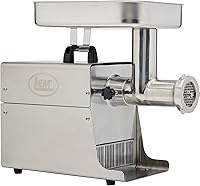
How Do You Sharpen Meat Grinder Blades and Plates?
To learn how to sharpen meat grinder blades, keep the blade flat on a fine, stable sharpening surface and use light figure-eight strokes. Clean and dry every part before reassembly, and replace chipped, warped, or persistently dull parts.
On this page (7 sections)
- How do you sharpen meat grinder blades safely?
- How do you sharpen a grinder plate without damaging it?
- Which grinder parts should you sharpen or replace?
- Why does a grinder smear meat after sharpening?
- How do you clean and store sharpened grinder parts?
- What mistakes should you avoid when sharpening meat grinder blades?
- How do you decide whether to sharpen, replace, or troubleshoot?
To learn how to sharpen meat grinder blades, keep the blade level on a fine, flat sharpening surface and move it in small figure-eight strokes with light pressure. Clean and dry the parts completely before reassembly, and replace anything chipped, bent, or still cutting poorly afterward.
A grinder blade and plate work as a pair. They need clean, even contact, so a sharp blade cannot make up for a warped plate, incorrect assembly, or a clogged hole.
Check your grinder manual first because some makers specify replacement or a particular care method.
How do you sharpen meat grinder blades safely?
Use a fine stone or abrasive sheet fixed to a stable, flat surface, if your grinder maker permits sharpening. The goal is an even contact face, not a dramatic change in shape.
- Unplug the grinder and remove the blade and plate as the manual directs.
- Wash off meat and grease, then dry the parts so they sit flat.
- Place the blade's flat face against the sharpening surface.
- Move it in small figure-eight patterns with light, even pressure.
- Pause often to check for an evenly polished face, then stop.
- Rinse away metal and abrasive residue, wash the part, and dry it fully.
Keep the blade's contact face flat. Don't tilt it or grind the cutting edge at a new angle.
Don't press hard to speed up the work. Uneven sharpening can stop the blade from sitting flush against the plate.
The meat grinder assembly guide shows how the blade and plate fit together. Check that order before sharpening, since a reversed or loose part can cause poor cutting even when the surfaces are in good condition.
What sharpening surface should you use for meat grinder blades?
Choose a fine, flat surface that stays still while you work. A fine sharpening stone or abrasive sheet secured to a flat base can help you keep the face level; a soft, uneven, or moving surface makes that harder.
Use a surface that fits the part so it doesn't rock at the edges. If you can't hold the part flat and stable, stop and ask the grinder maker about the right care method or replacement part.
How do you sharpen a grinder plate without damaging it?
Keep the plate's blade-contact face flat against the surface and use light strokes. Work only on the face that contacts the blade, and check often that the plate isn't rocking or tipping.
Move the plate in small circles or a figure-eight pattern. Avoid rounding the edges around the holes, since the blade needs a level face to meet the plate evenly.
After sharpening, clear each hole with a soft brush and rinse the plate well. Replace it if it is bent, cracked, or has damaged or badly worn holes.
Don't keep removing material if the plate still doesn't sit flat or the grinder continues to smear meat. Recheck assembly and condition first, then replace parts that are no longer even.
Which grinder parts should you sharpen or replace?
Sharpen only intact parts when the manufacturer allows it; replace parts with damage or persistent poor performance. Chips, cracks, bends, deep wear, and burrs can prevent the blade and plate from meeting evenly.
Sharpening removes metal each time, so stop when the face looks even and the part sits flat. Repeated sharpening is not a repair for damaged parts, and more pressure won't restore a chipped edge safely.
Which grinders include spare plates or blades?
The Weston #12 suits buyers who want a straightforward set of spare parts to inspect, with two plates and one cutting blade included. The STX Turboforce II 4000 suits buyers who want more plate and blade options in the box, with six grinding plates and three cutting blades.
Use parts designed for your exact grinder model. Similar-looking plates may not fit or meet the blade evenly, and spare parts do not make a grinder a good choice if replacements for your model are hard to source.
The Weston is a practical fit if you also want sausage stuffing accessories and a grinder rated to process 4–5 lb per minute. Skip it if you need several blade or plate options in one package.
The STX is a better fit if you want a foot pedal, several grinding plates, and multiple blades with your home grinder. Skip it if you don't need those extras or won't use a grinder that can also handle soft bones such as chicken or rabbit bones.
The LEM MightyBite #8 suits home cooks who want a compact grinder for most meats and sausage stuffing, with stainless steel plates, a knife, and three stuffing tubes. Skip it for bone grinding; it is not designed for that use.
Why does a grinder smear meat after sharpening?
Smearing can come from dull parts, incorrect assembly, warm meat, or a clogged grinder. Check those causes before removing more metal.
Chill the meat and grinder parts as the manual directs, and cut meat into pieces that feed smoothly. A loose blade, plate installed backward, or blocked plate can also affect the cut.
If the grinder keeps clogging, follow the steps in why a meat grinder keeps clogging. Don't force meat through a jammed grinder.
For burgers, how to grind your own hamburger meat covers meat preparation and grinding basics. Clean parts promptly after use so residue doesn't dry around the blade or plate.
How do you clean and store sharpened grinder parts?
Wash, rinse, and dry every sharpened part completely before storage. Metal filings and abrasive residue must be gone before the parts return to the grinder.
Use warm soapy water if the manual allows it, and handle the blade carefully. Dry each part right away to reduce rust risk, then store it where the cutting edge won't strike other tools.
Before the next grind, inspect the blade and plate again. Each part should sit flat and fit securely in the grinder head.
What mistakes should you avoid when sharpening meat grinder blades?
Avoid uneven pressure, angled strokes, and sharpening parts that are damaged. Those mistakes can leave a blade or plate unable to meet evenly.
Don't sharpen before checking the grinder's assembly or cleaning off residue. If performance improves after correcting setup or clearing a clog, sharpening wasn't needed.
Don't use a coarse or unstable surface, and don't press harder when the part rocks. A burr, uneven face, or damaged hole is a reason to stop and replace the part or contact the grinder maker.
How do you decide whether to sharpen, replace, or troubleshoot?
Sharpen an intact part only when the manual allows it; troubleshoot setup and cleaning first, and replace damaged parts. This keeps you from removing metal when the real cause is a loose part, warm meat, or a blockage.
- Sharpen if the contact faces are intact, the maker permits it, and inspection points to wear.
- Troubleshoot if the grinder smears or clogs; check temperature, assembly, and plate holes.
- Replace if a part is chipped, cracked, bent, deeply worn, or still cuts poorly after careful sharpening.
If you're choosing a grinder, consider whether its replacement plates and blades are available for your model. The guide to what makes a good meat grinder for home use covers fit, included parts, and other features to compare.
For most home users, light sharpening is occasional maintenance, not a way to repair damaged parts. Keep the blade flat, use a fine surface, and stop if the part won't sit evenly or cut cleanly.
Frequently asked questions
Can you sharpen meat grinder blades at home?
Yes, you can sharpen a grinder blade at home if the manufacturer allows it and you have a flat, stable sharpening surface. Keep the blade level, use light pressure, and clean and dry it before reassembly.
Replace a blade that is chipped, bent, or still smears meat after you check the assembly and preparation.
Do meat grinder plates need sharpening?
A grinder plate may need careful flattening if its blade-contact face is worn, but it must stay flat and its holes must remain open. Use a fine surface and light pressure, then clear the holes and inspect for burrs.
Replace a plate that is warped, cracked, or badly worn.
How can you tell if a meat grinder blade is dull?
A dull blade may smear or mash meat instead of cutting it cleanly. First check that the meat and grinder parts are cold, the blade and plate are clean, and the parts are assembled in the correct order.
If the problem continues, inspect the blade and plate for wear or damage.
How often should you sharpen meat grinder blades?
There is no single sharpening schedule for every grinder. Sharpen only when inspection and cutting performance suggest the edge is worn, and follow the care instructions for your model.
Each sharpening removes some metal.
Replace damaged parts and leave parts that still cut cleanly alone.