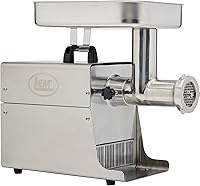
How Do You Grind Pork for Sausage at Home?
To learn how to grind pork for sausage, cut it into grinder-sized pieces, chill the pork and grinder parts, then grind it into a cold bowl. Choose the plate and number of passes to match your recipe.
On this page (10 sections)
- How do you grind pork for sausage at home?
- Which pork should you use for sausage?
- How cold should pork be before grinding it for sausage?
- Which plate should you use to grind pork for sausage?
- How do you set up a grinder to grind pork?
- What mistakes cause pork to clog or smear?
- Should you grind pork once or twice for sausage?
- Do you need a separate sausage stuffer after grinding pork?
- How should you clean a grinder after grinding pork?
- Which grinder should you choose for grinding pork for sausage?
To learn how to grind pork for sausage, cut it into grinder-sized pieces, chill the pork and grinder parts, then grind it into a cold bowl. Choose the plate and number of passes to match your recipe.
Good sausage starts with a recipe that sets the meat and fat balance. Keep the pork cold, prepare the grinder before you begin, and avoid rushing pieces through the feed opening.
How do you grind pork for sausage at home?
Trim, cube, chill, and grind the pork in batches. Use the plate your recipe calls for and keep the ground meat cold while you finish.
- Cut the pork into strips or cubes small enough to feed safely into your grinder.
- Trim tough connective tissue that could wrap around the auger.
- Chill the cut meat until firm but not frozen solid.
- Chill removable grinder parts if the manual allows it.
- Grind into a cold bowl, using the pusher rather than your fingers.
- Refrigerate the ground pork promptly, then clean the grinder.
Set out a tray, bowl, and utensils first. Work with a small amount of pork at a time, returning anything you aren't grinding to the refrigerator.
Which pork should you use for sausage?
Choose the cut and fat level your recipe specifies. Pork shoulder is a practical starting point for many home recipes because it includes both lean meat and fat.
If you use a leaner cut, follow a recipe that accounts for the difference. Trimming every visible bit of fat can make sausage dry, while adding fat without measuring can change its texture.
Remove silverskin and large pieces of gristle before cutting. Keep usable fat if your recipe calls for it.
For a grinder sized to your batch, see what size meat grinder you need. The best meat grinders for sausage making guide compares options for different home setups.
How cold should pork be before grinding it for sausage?
Keep the pork very cold and firm, not frozen hard. Cold meat helps the grinder cut cleanly and makes soft fat less likely to smear.
Place cut pork on a tray in the refrigerator until firm. If you use the freezer for a short chill, check it often so the pieces don't freeze solid.
Chill removable grinder parts only if the instructions allow it. Keep the motor housing and electrical parts dry, and don't put any component in a freezer unless its manual says that's safe.
If the meat looks soft or greasy, pause and chill it again. Continuing to grind warm pork can blur the texture you're trying to create.
Which plate should you use to grind pork for sausage?
Choose the plate that matches your recipe's texture. A coarse plate leaves larger pieces, while a finer plate makes a more even grind.
For a two-pass grind, start with the coarse plate, chill the first grind until firm, then pass it through the finer plate. Keep the meat cold between passes.
The Weston #12 Electric Meat Grinder includes medium and coarse stainless steel plates, which suit recipes that call for either texture or a coarse first pass.
The STX Turboforce 3000 includes several grinding plates, along with a separate stuffing plate and tubes. It suits home cooks who want more plate choices and included sausage accessories in one setup.
Don't assume finer is always better. A fine grind can change the bite of a sausage recipe that calls for a more distinct texture.
How do you set up a grinder to grind pork?
Assemble the grinder in the order its manual shows, then secure the head and position a cold bowl under the outlet. Have the pusher ready before feeding any meat.
The blade and plate need to sit correctly for the grinder to work as intended. Follow the instructions for assembly and operation, or see our guide to putting a meat grinder together.
Cut the pork small enough for the feed opening. Don't force large pieces through, and never push meat with your fingers or an utensil that could enter the grinder.
The VEVOR #12 1 HP Meat Grinder comes with 6 mm and 8 mm plates, two cross blades, and three stuffing tubes. Its weight of 36.6 lb makes it a better fit for a worktop where you can leave it set up than for frequent carrying and storage.
Stop if the grinder struggles or the meat stops feeding cleanly. Switch it off and unplug it before checking for a jam.
What mistakes cause pork to clog or smear?
Warm meat, oversized pieces, and connective tissue can make grinding harder. Pause when the meat softens, and check the setup before feeding more pork.
Soft fat can smear across the plate. Chill the meat and removable parts as the manual allows, and trim away tough tissue before grinding.
Switch off and unplug the grinder before inspecting or clearing it. Use reverse only if your grinder has that feature and its instructions explain when to use it.
Our guide to why a meat grinder keeps clogging covers other common causes.
Don't grind bones or frozen blocks unless your specific grinder is designed for them. The STX product information says it won't grind bones; the VEVOR information says it isn't suitable for bones or frozen meat.
Should you grind pork once or twice for sausage?
Grind once for a coarser texture; grind twice if your recipe calls for a finer one. Chill the meat between passes so it stays firm.
After the first pass, spread the pork in a shallow layer on a cold tray and chill it again before regrinding. Have the finer plate ready so the meat spends as little time as possible at room temperature.
Mix seasonings into the ground pork according to your recipe. Keep the mixture cold while you prepare casings or other ingredients, and don't leave raw pork out unnecessarily.
Do you need a separate sausage stuffer after grinding pork?
A separate stuffer makes sense if you fill casings often or want equipment designed for that step. Grinder tubes can suit occasional small batches.
The Hakka 11 lb Vertical Sausage Stuffer has two fill rates, four stainless steel nozzle sizes, and a piston with an air release. Choose it if those options match the casing sizes and batch process you use; skip it if you only make sausage occasionally and already have a grinder attachment.
For the filling steps, see how to use a manual sausage stuffer, then compare sausage stuffer versus grinder tubes.
How should you clean a grinder after grinding pork?
Switch off and unplug the grinder, then clean removable parts as its manual directs. Wash away raw pork residue promptly and dry parts before storage.
Keep water away from the motor housing and electrical connections. Use only the cleaning methods allowed by the grinder's instructions.
Wash your hands, work surface, tray, and utensils after handling raw pork. Refrigerate the ground meat promptly, and follow food safety guidance for storing and cooking it.
Which grinder should you choose for grinding pork for sausage?
Choose based on batch size, plate options, and how often you stuff casings. The Weston fits cooks who need medium and coarse plates; the STX suits those who want more plate choices and included stuffing accessories.
Choose the VEVOR if its two plate sizes fit your recipes and you have room for a heavy grinder to stay set up. Add the Hakka if casing sausage is a regular part of your routine; skip the separate stuffer for occasional batches.
For your next step after learning how to grind pork for sausage, compare sausage stuffers for home use to find a filling setup that fits your batches.
Frequently asked questions
What cut of pork is best for sausage?
Choose a cut or blend that matches your recipe's fat level and flavor. Pork shoulder is a common starting point because it includes lean meat and fat, but trim or add fat only according to a reliable recipe.
Keep the pork cold and remove tough connective tissue that could wrap around the auger.
Should pork be frozen before grinding?
Pork should be very cold and firm, but not frozen solid. Chilled meat and cold grinder parts are easier to feed and help keep fat from smearing.
Cut the pork into pieces your grinder can accept, then chill them until firm before grinding.
What grinder plate should I use for sausage?
Use the plate size your sausage recipe calls for. A coarse grind gives a more visible texture, while a second pass through a finer plate makes a more even mixture.
If the recipe doesn't specify, start with a medium plate and keep the meat cold.
Can I grind pork twice for sausage?
Yes, if your recipe needs a finer texture, but keep the pork cold between passes. Spread the first grind on a chilled tray and return it to the refrigerator or freezer briefly until firm.
Avoid repeated passes that warm the fat or make the mixture pasty.