Sausage Stuffer vs Grinder Tubes: Which Stuffs Better? (October 2026)
A dedicated sausage stuffer is usually easier to control for repeated casing fills, while grinder tubes suit occasional sausage making when you already need a grinder. Choose by batch size, how often you make sausage and whether you also need to grind meat.
On this page (6 sections)
A dedicated sausage stuffer is usually easier to control for repeated casing fills, while grinder tubes suit occasional sausage making when you already need a grinder. The choice between a sausage stuffer vs meat grinder setup depends on batch size, how often you make sausage and whether you also need to grind meat.
A stuffer holds prepared ground meat and pushes it into casings. A grinder with stuffing tubes combines grinding and stuffing, but you use the grinder's feed path for both jobs.
For regular batches, a separate stuffer gives you a tool made for stuffing. If you make sausage now and then and want a grinder anyway, tubes can save counter space and an extra appliance.


Sausage stuffer vs meat grinder: which fills casings better?
A dedicated sausage stuffer is the more direct choice for filling casings, while grinder tubes are convenient when grinding is part of the same job. Neither setup removes the need to guide the casing and control the flow.
With a separate stuffer, you load ground, seasoned meat into a cylinder and use its mechanism to press the mixture through a tube. A grinder attachment sends the mixture through the grinder's body and tube, so the process depends on the grinder's design and instructions.
That difference matters most when you want steady control over several links or a longer casing. A grinder may work well for a small batch, but its extra grinding parts and feed path can make setup more involved.
What does a dedicated stuffer change?
A dedicated stuffer separates stuffing from grinding. You can grind and season the meat first, then load it into the stuffer when you're ready to fill casings.
The Hakka 7 lb Vertical Sausage Stuffer has two fill rates and four stainless steel nozzle sizes. Its piston includes an air release, and the food-contact parts are stainless steel.
The LEM MightyBite holds 5 lb and works manually. Its removable stainless steel cylinder, built-in air-release valve and included clamps support filling and securing the unit on a suitable flat surface.
A dedicated unit takes up storage space and doesn't grind meat. If you make sausage rarely, that extra setup may not earn a place in your kitchen.
What do grinder stuffing tubes change?
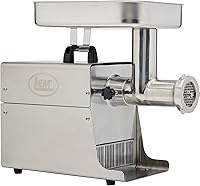
Grinder tubes let you use one appliance for grinding and stuffing. The Aiheal Meat Grinder and Sausage Stuffer includes three sausage tubes, three grinding plates and two blades.
The grinder is useful if you want both functions and have limited storage. Its cutting attachment can be removed for cleaning, and its care instructions say to hand wash the parts and dry them with a soft cloth.
The tradeoff is that the machine is doing double duty. If you already ground the meat, you still need to set up and use the grinder with the stuffing attachment, then clean its parts.
Does a dedicated stuffer make sausage easier?
A dedicated stuffer can simplify the stuffing stage because it handles prepared meat without using a grinder's cutting plates and feed screw. It won't replace careful casing preparation or steady hand control.
For a grinder with tubes, start by assembling the attachment as the manual directs. Keep the mixture cold, fit the casing onto the tube and feed the meat at a pace that lets you guide the casing without overfilling it.
A dedicated stuffer also needs setup. Secure it to a stable surface, fit the tube that suits your casing and load the cylinder without trapping excess air.
The Hakka's two fill rates offer a choice of pace, while the LEM's air-release piston helps release air as the mixture is pressed forward. These features can make the process easier to manage, but your own pace and casing handling still matter.
If you use a manual unit, our guide on how to use a manual sausage stuffer walks through the basic steps. For more on the meat preparation before stuffing, see how to grind pork for sausage at home.
Which setup is easier to clean?
A grinder with a stuffing attachment has more grinder parts to handle, while a dedicated stuffer has a cylinder, piston and tube to clean. Follow each model's care directions and dry washed parts before storage.
The Aiheal's cutting attachment is removable. Its care instructions say not to put the parts in a dishwasher and to wipe them dry with a soft cloth after washing.
The LEM cylinder is removable for filling and hand cleaning. Its tubes are hand-wash only, so cleaning still takes time even though the cylinder comes away from the body.
For either dedicated stuffer, clean the tube and every surface that touched raw meat promptly. Check the manual for disassembly and care directions before putting parts away.
A grinder can also serve other kitchen tasks, but that means its cutting plates, blade and feed parts need attention after grinding. If you want to learn how to assemble that tool, use our meat grinder assembly guide.
Is a grinder with tubes enough for sausage making?
A grinder with tubes is enough when you make occasional, modest batches and want one machine for grinding and stuffing. Consider a dedicated stuffer when stuffing is a regular task or you want to separate it from grinding.
Think about the amount you make at one time. The LEM holds 5 lb and the Hakka holds 7 lb, while the Aiheal's grinder details do not give a sausage-stuffing batch capacity.
A capacity number is not the only factor. You may need to refill a smaller cylinder more often, but a larger unit also takes more room and may be more than you need.
If you are still choosing the grinder itself, start with what size meat grinder you need. For a dedicated stuffing option, compare the best sausage stuffers for home use.
How should you choose between the three options?
Choose by the job you repeat: grinding and stuffing in one appliance, smaller dedicated batches, or larger dedicated batches. The features point to different workflows.
The Aiheal suits a home cook who wants an electric grinder and sausage tubes together. It includes three plates and three tube sizes, with a reverse button described for unclogging.
The LEM MightyBite fits a smaller dedicated batch. Its 5 lb capacity, removable cylinder, clamps and manual operation suit someone who wants a separate stuffer without moving to a 7 lb cylinder.
The Hakka fits a larger dedicated batch. Its 7 lb capacity, two fill rates and four stainless steel nozzle sizes offer more fill options than the other two models here.
Scores reflect how each option's specs and features fit this sausage-stuffing comparison. Our score weighs specs, features and buyer feedback against what you're shopping for.
Which should you pick for your next batch?
Pick grinder tubes if you want to grind and stuff with one appliance; pick a dedicated stuffer if you make sausage often and want a separate filling step. For smaller dedicated batches, the LEM holds 5 lb; for a larger cylinder, the Hakka holds 7 lb.
Match the tube to your casing, plan a clean work surface and keep the meat cold while you work. If you want to compare more options, see our sausage stuffer guide and meat grinders for sausage making.
For occasional sausage making, grinder tubes can be a practical fit. For regular batches, choose a dedicated stuffer that suits the amount you prepare and the space you have.
U.S. Department of Agriculture safe food handling guidance covers safe handling of meat and poultry during preparation.
Frequently asked questions
Is a sausage stuffer better than a meat grinder?
A dedicated sausage stuffer is usually easier to control when filling several casings, while a grinder with stuffing tubes is convenient if you also need to grind meat. The better choice depends on batch size and how often you make sausage.
A grinder is not automatically the better stuffing tool just because it has tubes.
Can you stuff sausage with a meat grinder?
Yes, a meat grinder with a sausage tube can fill casings, provided the attachment is made for stuffing and you follow its instructions. Work steadily and avoid forcing the mixture, since a grinder's feed mechanism may be less direct than a dedicated stuffer.
Keep the meat cold and the work area clean.
Do I need to grind meat before using a sausage stuffer?
Yes, the meat needs to be ground and seasoned before it goes into a sausage stuffer. A dedicated stuffer pushes the prepared mixture into casings; it does not grind whole cuts.
You can grind meat separately or use a grinder that has a stuffing attachment.
Which size sausage stuffer should I choose?
Choose a capacity that fits the amount you typically prepare per batch. A 5 lb stuffer suits smaller batches, while a 7 lb model holds more between refills.
Also compare tube sizes with your casings and check that the stuffer can be secured to your work surface.