Dual Grind vs Single Grind Meat Grinder: Which Is Better? (November 2026)
Pick a dual grind meat grinder when you want a fine, even sausage texture from one pass through the machine. A single grind setup is the better fit for burgers, chili and pet food where a coarser chew is fine and you want the simplest workflow.
On this page (9 sections)
- Quick verdict: which grind style wins for most homes?
- Dual grind vs single grind: the two styles side by side
- Texture: which grind style gives the result you want?
- Speed and volume: how fast does each style grind?
- Cleanup and parts: which is simpler to live with?
- Stuffing and sausage: does grind style change the stuffer setup?
- Who should buy a dual grind grinder?
- Who should buy a single grind grinder?
- Verdict: dual grind or single grind for your kitchen?
Pick a dual grind meat grinder when you want a fine, even sausage texture from one pass. A single grind setup suits burgers, chili and pet food, where a coarser chew is fine and the simplest workflow wins.
The dual grind vs single grind meat grinder question comes down to the food you make most. A dual grind head pairs a coarse plate and a fine plate in one run.
A single grind machine gives you one plate at a time, so a fine result means two passes.
This comparison walks through texture, speed, cleanup and the machines that fit each style. The picks below are the grinders and choppers we checked against those needs.
Quick verdict: which grind style wins for most homes?
A single grind grinder is the better first machine for most home cooks, because one coarse pass covers burgers, chili, meatballs and pet food. Buy a dual grind head only when fresh sausage is a regular habit.
That is the honest split. Most households grind meat for a weeknight chili or a batch of burgers, and a coarse single pass does that well with less handling.
Fine-textured sausage is where dual grinding earns its keep.
If you make fresh sausage several times a month and want a consistent fine crumb, go dual. If you grind occasionally and mostly want coarse chop, stay single and keep the workflow short.
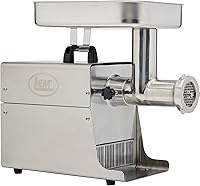
The top pick here for fine, small-batch work is the Ganiza chopper, which gives a uniform fine texture in seconds without a second pass. For coarse single-pass grinding on a bigger scale, the LEM BigBite #8 is the strongest fit.
| Product | Best for | Power | Bowls | Blades | Our score |
|---|---|---|---|---|---|
| Ganiza Food Processors with 2 Bowls | small fine-texture batches | 450W | 8-cup glass and 8-cup stainless | 2 sets, spring-loaded | 9.6 |
| LEM BigBite #8 Meat Grinder | single-pass sausage and burger batches | 0.5 HP | 9.1 | ||
| STX Turboforce II 4000 Grinder | large single-grind volume | 2000W max | 8.7 | ||
| AAOBOSI 3-Speed Touch Screen Grinder | easy single-grind control | 3000W max, 350W rated | 7.8 |
Dual grind vs single grind: the two styles side by side
Dual grinding runs meat past a coarse plate and a fine plate in one pass, while single grinding pushes it through one plate per run. The difference shows up in texture, handling time and how cold the meat stays.
A single grind machine holds one plate and one knife at a time. You choose coarse for burger, medium for meatloaf or fine for sausage, and swap plates when the recipe changes.
A dual grind head stacks two plates so the meat is cut twice before it leaves the head. One run replaces two, which shortens the time the meat sits at room temperature.
Both styles use the same basic parts: an auger, a rotating knife and a plate. The dual head just adds a second cutting stage.
What dual grinding does to texture
Dual grinding gives a finer, more uniform mince than a single coarse pass. The first plate breaks the meat down and the second cuts it again, so the pieces come out closer in size.
That uniformity matters most in fresh sausage, where a consistent crumb holds fat and seasoning evenly. It also suits meatloaf and fine-textured patties.
The trade-off is less chew. A double cut can leave burger meat dense if you press it into tight patties.
Many burger cooks stop at one coarse grind for that reason.
What single grinding keeps
Single grinding preserves more texture and more control. You decide the plate size and stop there, so the result has visible pieces and a looser pack.
For chili, tacos, ragu and pet food, a coarse single grind is the target, not a stepping stone to something finer. One pass also means less handling, less warming and fewer parts to clean.
When you do want a fine grind, you run the meat twice yourself. That is the same double cut a dual head gives, just in two steps.
Texture: which grind style gives the result you want?
Choose dual grind for fine sausage and uniform patties; choose single grind for coarse burger, chili and rustic textures. The plate size decides the texture more than the machine does.
Think about the finished bite. Fresh bratwurst and breakfast sausage want a tight, even crumb.
Burgers and chili want nuggets of meat that stay distinct.
A dual grind head delivers the first reliably. A single grind machine with a coarse plate delivers the second, and you can always run a second pass when a recipe needs it.
The Ganiza chopper takes a different route to a fine texture. Its two sets of S-blades pulse meat into small, even bits in seconds, which suits patties, meatballs and fillings where you want a smooth mix.
It won't produce the strand-like grind a plate grinder gives, so sausage makers should look at the plate machines below.
Speed and volume: how fast does each style grind?
For big batches, a single grind machine with a strong motor wins on throughput, because a dual head slows the feed to cut twice. For small batches, a chopper is faster than either.
Feed rate matters more than plate count when you push volume. The LEM BigBite #8 grinds about 7 lbs per minute through its plates.
The STX Turboforce II 4000 handles 220 to 260 lbs per hour depending on plate size and meat type. The AAOBOSI runs up to 4 lbs per minute.
A dual grind head typically slows the feed, since the meat must pass two cutting stages. That is fine for sausage batches measured in pounds.
It is a poor match for a hunter processing a whole deer in one session.
Where a chopper fits the speed question
The Ganiza runs on a 450W motor with two speeds. For a few pounds of meat for patties or a filling, it finishes the job in seconds and skips the plate swap.
For bulk grinding sessions that fill the freezer, a plate grinder is the practical choice. The STX's large tray holds over 3 lbs at a time, and the LEM's feed rate keeps a long session moving.
If you are weighing sizes for that kind of session, our 8 vs #12 meat grinder comparison explains how feed tube size changes the workload.
Cleanup and parts: which is simpler to live with?
A single grind machine has fewer parts to wash per run, while a dual grind head adds a plate and a second cutting stage to clean. The gap is small but real on a busy sausage day.
A single grind setup means one plate and one knife. Swap plates and you still have the same two parts, just different sizes.
A dual grind head has an extra plate to scrub and dry.
The AAOBOSI makes cleanup easier with dishwasher-safe blades and plates and built-in storage. The LEM disassembles easily and its stainless parts wipe down quickly.
The STX includes six plates and three blades, so there is more to store and track.
The Ganiza is the simplest of the group to clean, with removable blades and two bowls that separate meat from vegetables. If cleanup is your main gripe with grinding, a chopper removes the plate routine entirely.
Stuffing and sausage: does grind style change the stuffer setup?
Grind style affects the texture going into the casing, not the stuffing step itself. A dual grind head gives you finer meat ready to stuff in one pass, while a single grind machine needs a second run or a separate stuffer.
The LEM BigBite #8 includes stuffing tubes, so you can grind and stuff with the same machine. The STX Turboforce II 4000 adds three sausage tube sizes and a stuffing plate.
The AAOBOSI includes a sausage and kibbe attachment.
For larger sausage batches, a dedicated stuffer gives more control than grinder tubes. Our sausage stuffer vs meat grinder comparison covers when the extra machine is worth the counter space.
The texture question stays the same either way. Dual grind gets you fine sausage meat in one pass.
Single grind gets you there in two, so plan the chilling time between runs.
Who should buy a dual grind grinder?
Buy a dual grind grinder if fresh sausage is a regular recipe in your kitchen and you want a fine, even crumb without a second pass. It also suits cooks who make smooth-textured meatloaf or fine-ground fillings often.
A dual grind head earns its place when the food you make depends on texture. Fresh bratwurst, breakfast sausage and fine-textured patties all benefit from the extra cut.
Skip it if your grinding leans toward coarse chili meat, rustic burgers or pet food. Those recipes want the single pass, and the extra plate is just more to clean.
If you are still deciding on a machine brand, our Weston vs LEM meat grinders comparison looks at build and support across the two brands. Our LEM vs Cabela's meat grinders comparison covers a similar matchup.
Who should buy a single grind grinder?
Buy a single grind grinder if you grind for burgers, chili, meatballs or pet food and want the shortest path from meat to pan. One coarse or medium plate covers most of those jobs.
A single grind machine is also the better pick for anyone who processes a lot of meat at once. The LEM's feed rate and the STX's volume suit freezer-filling sessions where the extra plate swap would just slow things down.
It is the simpler machine to learn and to clean. You pick a plate, grind, and stop.
Fine sausage is the only job that pushes you to a second pass.
The AAOBOSI fits this group when you want touch-screen control, speed settings and auto-reverse without a dual head. The STX fits when volume and soft-bone capability matter more than counter space.
The chopper shortcut to a fine texture
The Ganiza sits outside the plate-grinder debate. It chops meat into fine, even bits with blades rather than forcing it through a plate.
For small batches of patties, fillings and meatballs, it gives the uniform texture dual grinding is known for, with no plate swaps at all.
It isn't a sausage stuffer and it isn't built for long runs. For quick fine-texture jobs in a home kitchen, though, it is the easiest tool on this list.
Verdict: dual grind or single grind for your kitchen?
Go dual grind if fine sausage is your main goal and you want one pass to get there. Go single grind for everything else, because coarse and medium plates cover burgers, chili, meatballs and pet food with less handling and less cleanup.
The dual grind vs single grind meat grinder choice is really a texture choice. Dual grinding gives uniformity and speed in one pass for fine recipes.
Single grinding gives control and simplicity, and you can always run a second pass when a recipe asks for it.
For most homes, the single grind path is the practical one. The LEM BigBite #8 covers coarse to fine single grinds, grinds about 7 lbs per minute and includes stuffing tubes for sausage day.
The STX Turboforce II 4000 is the volume pick when you process a lot of meat and want a foot pedal and soft-bone capability.
Reach for a dual grind head only when fresh sausage is a habit. For small fine-texture batches without the plate routine, the Ganiza chopper gives the uniform result with less fuss.
Buy it if you mostly chop meat for patties and fillings; buy a plate grinder if you stuff casings or grind in volume.
Frequently asked questions
Is a dual grind meat grinder worth it for home sausage?
Yes, if you make fresh sausage often and want a fine, even texture without running meat through twice. A dual grind head combines a coarse plate and a fine plate in one pass, which saves time and keeps the meat colder.
Can I dual grind with a single grind grinder?
Yes. Chill the meat, grind it on a coarse plate, then run it through a fine plate.
That is two passes rather than one, so keep the meat and the grinder head cold between runs and work in small batches.
Does dual grinding make meat drier?
It can, because the meat is handled and warmed more. Chilling the meat and the grinder parts before grinding helps.
A single pass keeps handling to a minimum, which is one reason coarse burger and chili recipes often stop at one grind.
Which grind style is better for burgers?
A single coarse grind suits burgers because it leaves texture and chew. Dual grinding produces a finer, more uniform mince that can turn burgers dense.
Pick the coarse single pass unless you want a smooth, tightly packed patty.
Do dual grind grinders cost more than single grind models?
A dedicated dual grind head usually sits at a higher price tier than a basic single grind grinder. You can also buy a dual grind attachment for some existing grinders, which is a mid-range step up from using two plates.
How many times should I grind meat for sausage?
Most fresh sausage recipes call for one coarse pass and one fine pass, or a single dual-grind pass that does both. For a very smooth emulsion sausage you may grind finer still, but stop before the meat warms and smears.