Weston vs LEM Meat Grinders: Which Should You Pick? (October 2026)
In the Weston vs LEM meat grinder comparison, choose the LEM BigBite #8 for its faster stated rate and stainless steel build, or the Weston #12 for two speeds and reverse. The MightyBite #8 fits smaller batches.
On this page (7 sections)
- Weston vs LEM meat grinders: what are the main differences?
- Which Weston or LEM grinder fits your batch size?
- Which grinder is easier to store and set up?
- Which model is better for sausage making?
- How do build and warranty compare?
- Which Weston or LEM grinder should you pick?
- How do the Weston and LEM meat grinder scores compare?
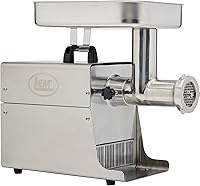
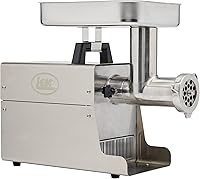
The Weston vs LEM meat grinder choice comes down to batch size and controls: choose the LEM BigBite #8 for its higher stated rate and stainless steel build, or the Weston #12 for two speeds and reverse. The LEM MightyBite #8 is a smaller-batch option.
The BigBite is rated at about 7 lb per minute, while the Weston and MightyBite are rated at 4–5 lb per minute. Those rates help compare models, but your actual pace also depends on how you prepare meat and feed it through the grinder.
For size context, read our guide to choosing a meat grinder size. The #8 vs #12 grinder comparison explains what those size numbers mean when comparing these models.


Weston vs LEM meat grinders: what are the main differences?
The BigBite #8 has the highest stated grind rate, while the Weston #12 adds two speeds and reverse. The MightyBite #8 has a 3 lb capacity for smaller batches.
| Grinder | Stated rate | Motor | Build | Standout detail |
|---|---|---|---|---|
| Weston #12 | 4–5 lb per minute | 750 watts, 1 HP | Die-cast aluminum body, metal gears | 2 speeds and reverse |
| LEM BigBite #8 | About 7 lb per minute | 0.5 HP | Stainless steel | 5-year factory warranty |
| LEM MightyBite #8 | 4–5 lb per minute | 500 watts | Aluminum and stainless steel | 3 lb capacity |
Motor power alone doesn't decide which grinder fits. Compare how much you process, the space and lifting each model requires, and whether you want speed controls or a stainless steel build.
Which Weston or LEM meat grinder has the higher stated rate?
The LEM BigBite #8 has the higher stated rate at about 7 lb per minute. The Weston #12 and MightyBite #8 are each rated at 4–5 lb per minute.
Use the figures as a comparison point, not as a promise for every batch. Cut meat into pieces that feed smoothly, keep the work area organized, and avoid forcing meat into the grinder.
What do #8 and #12 mean when comparing Weston and LEM grinders?
The Weston is a #12 grinder, while both LEM models are #8 grinders. The number identifies the grinder size category, but it doesn't give you the full picture of motor power, capacity, controls or footprint.
Read our #8 vs #12 meat grinder guide for more on size and fit. Decide from the complete model details and your expected workload, not the number by itself.
Which Weston or LEM grinder fits your batch size?
Choose the BigBite for regular small to medium batches, the MightyBite for modest batches, or the Weston when its 5 lb capacity and controls suit your sessions. The right choice depends on how much meat you prepare at a time and how often you grind.
The BigBite has a 7 lb capacity, the Weston a 5 lb capacity, and the MightyBite a 3 lb capacity. Capacity helps you picture batch size, but you'll still need to plan for meat prep, feeding, and cleanup.
If you process large batches, compare these options with our guide to heavy-duty meat grinders. If you don't yet know your target batch size, use our meat grinder size guide to narrow it down.
Is the Weston #12 a good fit for larger batches?
The Weston #12 suits you if its 5 lb capacity, motor and two-speed controls match your sessions. Reverse can help prevent jams, and the 750-watt, 1 HP motor gives you a clear reason to consider it for regular grinding.
Its stated rate is 4–5 lb per minute, below the BigBite's stated rate. Pick the Weston for its controls and included sausage tools if those matter more to you than the higher rate or stainless steel build.
Is the LEM MightyBite enough for home use?
The MightyBite is a sensible choice if you usually grind smaller batches and want a 3 lb capacity. Its stated rate is 4–5 lb per minute, and the included stuffing tubes let you use it for sausage prep as well.
Skip it if you expect frequent large sessions or want a larger capacity. The BigBite's 7 lb capacity and higher stated rate make it a better fit for that workload.
Who should choose the LEM BigBite #8?
Choose the BigBite if you grind regularly and want its stainless steel construction, 7 lb capacity and stated rate. Its 5-year factory warranty and lifetime customer support may also matter if you plan to keep a grinder in regular use.
The BigBite is heavy at 32.6 lb, so skip it if you need to lift the grinder in and out of storage often. It also isn't for bones, so choose a different solution if bone grinding is your goal.
Which grinder is easier to store and set up?
The Weston is the lightest model at 13.5 lb, followed by the MightyBite at 16.5 lb. The BigBite weighs 32.6 lb, which makes a dedicated or easy-to-reach work area more practical.
The Weston measures 15 x 10 x 10 in, the BigBite 20.24 x 9.13 x 15.98 in, and the MightyBite 24 x 24 x 17 in. Measure both your storage spot and counter, leaving room to attach the head, feed meat and handle parts.
The Weston has a cam action headlock to secure its grinding head and make connecting or disconnecting it faster. LEM says the BigBite disassembles easily for cleaning, while the MightyBite parts can be washed with warm, soapy water.
How should you set up a Weston or LEM meat grinder?
Set up the grinder on a stable, clear work surface and assemble its parts in the order shown in its instructions. Keep meat and tools organized nearby, then check that the grinding head and parts are secured before turning the machine on.
The Weston’s cam action headlock helps secure its head. For either LEM, use the included parts and its instructions to assemble the grinder; don't guess at the order or force a part that doesn't fit.
Chill meat before grinding and cut it into manageable pieces. Feed it steadily with the supplied stomper where included, and keep hands away from the feed opening.
Which model is better for sausage making?
All 3 grinders include sausage tools, so choose based on the features you'll use for grinding as well as stuffing. The Weston comes with a stuffing funnel and spacer; both LEM models include stuffing tubes.
The Weston has a slow first speed intended for stuffing and a faster speed for grinding. The LEM product details confirm stuffing tubes but don't specify multiple speeds, so use each model according to its own instructions.
If sausage is your main goal, compare options in our meat grinders for sausage making guide. For larger batches, learn how a dedicated sausage stuffer compares with grinder tubes.
What common mistakes should you avoid with a Weston or LEM grinder?
Don't choose by motor wattage or the #8 and #12 labels alone. Match capacity, construction, controls, weight and available space to the way you plan to grind.
Avoid overfilling the feed opening or pushing meat too quickly. If the grinder slows or jams, stop and follow its instructions; the Weston has reverse to help prevent jams, but that doesn't mean you should force a blockage through.
Don't assume any of these models can grind bones. The LEM models are explicitly not for bones, and bone grinding isn't specified for the Weston.
After grinding, disassemble and clean the parts as directed by the manufacturer. Dry parts fully before storing them, and check the instructions for any care details specific to your model.
How do build and warranty compare?
The BigBite has a stainless steel build and a 5-year factory warranty. The Weston has a die-cast aluminum body and metal gears, while the MightyBite combines aluminum and stainless steel and has a 2-year factory warranty.
The Weston has a 1-year warranty. LEM offers lifetime customer support for both LEM models.
Choose based on the combination that suits your routine. A longer warranty doesn't change the fit, capacity or weight you need to consider.
Which Weston or LEM grinder should you pick?
Pick the BigBite #8 for regular batches and a stainless steel build, the Weston #12 for two speeds and reverse, or the MightyBite #8 for smaller sessions. That is the clearest way to decide among these Weston vs LEM meat grinders.
Choose the Weston if its lighter weight, 5 lb capacity and speed controls fit your kitchen. Choose the BigBite if you have room for a heavier grinder and value its stated rate and longer warranty.
Choose the MightyBite if you want to keep batches modest.
For other options, browse our guides to heavy-duty meat grinders and meat grinders for sausage making.
How do the Weston and LEM meat grinder scores compare?
The BigBite scores highest for its stainless steel build, capacity, stated rate and 5-year factory warranty. The Weston scores well for its motor, two speeds, reverse and included sausage tools.
The MightyBite earns a solid score for a smaller batch size and sausage setup. Its 3 lb capacity is less suited to larger sessions.
Frequently asked questions
Is Weston or LEM better for grinding meat?
LEM's BigBite #8 has the highest stated rate, at about 7 lb per minute, while the Weston #12 is rated at 4–5 lb per minute and adds two speeds and reverse. Choose by the features that fit your batches and routine.
Which grinder is easier to move?
The Weston #12 weighs 13.5 lb, the MightyBite #8 weighs 16.5 lb, and the BigBite #8 weighs 32.6 lb. The Weston is the easiest to lift in and out of storage by weight.
Can these grinders stuff sausage?
All 3 include sausage tools. The Weston comes with a stuffing funnel and spacer, while both LEM models include stuffing tubes.
Can these grinders grind bones?
The LEM BigBite and MightyBite are not for grinding bones. Bone grinding isn't specified for the Weston, so don't assume it can handle bones.