Can You Grind Bones in a Meat Grinder?
Some meat grinders can grind soft bones, but many are made for meat only. Check the exact model’s instructions and allowed bone types before buying or feeding bones into the machine.
On this page (8 sections)
- Can you grind bones in a meat grinder safely?
- Which bones can a meat grinder handle?
- How should you choose a grinder for bones?
- Which grinders in this guide are suitable for bones?
- How do you set up and use a grinder for bones?
- What common mistakes should you avoid?
- Does a #12 meat grinder mean it can grind bones?
- Which meat grinder should you choose for bones?
Some meat grinders can grind soft bones, but many are made for meat only. If you’re asking can you grind bones in a meat grinder, the answer depends on the exact model and bone type, not just motor power or grinder size.
STX describes its Turboforce II 4000 as able to handle soft bones, including chicken and rabbit. VEVOR says its #12 1 HP grinder is not suitable for bones, and Barton’s product information does not specify bone grinding.
That difference matters when choosing a machine. If bone processing is a regular need, make the grinder’s stated bone guidance your first filter, then compare setup, capacity, accessories, cleaning, and storage.
Can you grind bones in a meat grinder safely?
You can grind bones only when the specific grinder is designed for the bone type you plan to process. A grinder that handles meat may still be unsuitable for bones.
Bone grinding puts more stress on the cutting parts than boneless meat does. If the instructions do not clearly allow the bone type, keep it out of the feed tube rather than seeing whether the machine can manage it.
Identify the model before you use it, and read its use and care instructions. Look for explicit guidance on bones, along with any limits on size or preparation.
A #12 head, high wattage figure, or commercial label does not confirm that a grinder can process bones. For an ordinary meat grinder, use the model’s stated guidance as the deciding factor.
Which bones can a meat grinder handle?
The STX Turboforce II 4000 is described for soft chicken, rabbit, squirrel, and quail bones. That guidance applies to this model and should not be assumed to apply to other grinders.
Hard, dense bones are a different matter. The STX product information names soft bones but does not say the machine handles hard bones, so don’t extend that guidance beyond what is stated.
If you’re shopping for a grinder to process bones, look for the bone type in the model’s instructions before comparing features. Our guide to choosing a meat grinder size explains what head size tells you for regular meat grinding.
How should you choose a grinder for bones?
Choose by approved bone type first, then match the machine to your workload and kitchen. A larger head or stronger motor can be useful for meat prep, but it is not proof of bone compatibility.
Consider these questions before buying:
- Does the model clearly allow bones? If the instructions do not name the bone use or type, treat it as a meat-only choice for your purposes.
- Will you grind bones often or occasionally? A machine intended for soft bones may suit occasional home use when the approved bone types match your needs. Frequent batches also make assembly, cleaning, counter space, and support worth considering.
- What else will you make? Grinding plates, blades, sausage tubes, and a foot pedal can matter if you also prepare ground meat or sausages. They do not change which bones the machine can handle.
- Can you store and clean it? Compare the machine’s size and removable parts with your available workspace. Follow the care instructions for the exact model.
The STX is the clearest fit here when soft-bone use is a requirement. The VEVOR and Barton examples are better considered for meat and sausage work, since their bone guidance rules them out or leaves it unspecified.
Which grinders in this guide are suitable for bones?
Of these 3 examples, STX is the only brand that describes its grinder as able to handle soft bones. VEVOR says its #12 model is unsuitable for bones, and Barton’s product information does not specify bone grinding.
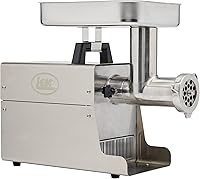
The STX Turboforce II 4000 is a size #12 electric grinder with a 2 in feed tube and a high capacity tray that holds over 3 lb of meat. It comes with 6 grinding plates, 3 stainless steel cutting blades, sausage tubes, and a foot pedal.
Choose it if you want one home grinder for meat, sausage accessories, and the listed soft-bone types. Skip it if you need to process hard bones or if you cannot confirm that your planned preparation matches its instructions.
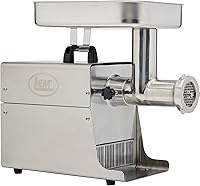
The VEVOR #12 grinder has a 750 W / 1 HP motor and includes 2 cross blades, 2 grinding plates, and 3 sausage stuffing tubes. Its stated uses include meat grinding and sausage making, but it is not suitable for bones or frozen meat.
Choose it for meat batches when you want a commercial-style grinder and removable parts that are described as dishwasher-safe. Skip it if bone grinding is the reason you’re buying.
The Barton Commercial #12 includes 2 plates and 2 cross blades, with sausage tubes for stuffing. Its described uses cover beef, pork, chicken, and venison.
Choose it if your priority is meat processing and sausage preparation. Skip it if you need a clear soft-bone allowance, because the available product information does not specify one.
How do you set up and use a grinder for bones?
Assemble the grinder as its instructions show, and only prepare bones in the way the model allows. Use the correct parts and do not improvise with ingredients or attachments.
Before starting, set the machine on a stable work surface and make sure the head, auger, blade, plate, and locking parts are in the positions shown in the manual. Our guide to putting a meat grinder together walks through how grinder parts fit.
Prepare only the bone type and size approved for that model. Follow the manual’s directions for feeding ingredients and operating the machine; do not force pieces into the tube or use a pusher in a way the instructions do not allow.
Keep hands and loose items away from the feed opening, and use the supplied pusher where directed. If the grinder slows, jams, or makes an unusual sound, stop and follow the model’s troubleshooting steps.
What common mistakes should you avoid?
The most common mistake is assuming that a grinder’s size or power rating means it can handle bones. Check the specific model’s bone guidance before purchase and before use.
Avoid these errors:
- Using the wrong bone type. Soft-bone guidance does not automatically cover hard or dense bones.
- Treating #12 as a bone rating. The STX and VEVOR examples are both #12 models, but their stated bone guidance differs.
- Forcing a jam. Stop the machine and follow its instructions for clearing or inspecting parts. See why a meat grinder keeps clogging for common feed issues.
- Ignoring ingredient restrictions. VEVOR says its grinder is unsuitable for both bones and frozen meat. Check whether the model has restrictions on other ingredients as well.
- Skipping cleanup. Disconnect the grinder and clean removable parts as its care instructions direct. Keep water away from motor housings when the instructions require it.
For meat-only batches, how to grind your own hamburger meat covers preparation basics without assuming the grinder is approved for bones.
Does a #12 meat grinder mean it can grind bones?
No, a #12 size describes a grinder size category, not which ingredients it can process. Check the instructions for the particular model and bone types.
The STX and VEVOR examples are both #12 models, yet their bone guidance differs. STX describes soft-bone use, while VEVOR says its model is unsuitable for bones.
Use size to compare ordinary meat-grinding needs, not as a substitute for ingredient guidance. If you’re deciding between head sizes, see what size meat grinder you need.
Which meat grinder should you choose for bones?
Choose the STX Turboforce II 4000 if you need a model described for soft chicken, rabbit, squirrel, or quail bones. Choose VEVOR or Barton for meat and sausage work only if their features suit your needs, since neither is a clear bone-grinding choice here.
Before buying, match the approved bone type to your actual use and read the model’s instructions for preparation, operation, and cleanup. If your planned bones are not clearly covered, use a different method or choose a grinder specifically approved for that job.
For regular meat grinding, compare home meat grinders and grinding your own hamburger meat. The key decision is simple: can you grind bones in a meat grinder?
Only when that exact model’s instructions say the bone type is allowed.
Frequently asked questions
Can a regular meat grinder grind bones?
Some models can handle certain soft bones, but many standard meat grinders are intended for meat only. Check the instructions for the exact grinder and bone type before trying it.
If bones are not clearly allowed, keep them out to avoid damage to the blade, plate, auger, or motor.
What bones can a meat grinder grind?
A grinder described as handling soft bones may process chicken, rabbit, squirrel, or quail bones. Hard, dense bones are a different job and should not go into a grinder unless its instructions explicitly allow them.
Follow the manual for any limits on bone type or size.
Can a
A #12 size alone does not mean a grinder can grind bones. Check the instructions for the particular model and allowed bone types.
STX describes the Turboforce II 4000 as able to handle soft bones, while VEVOR says its #12 model is not suitable for bones.
Should bones be frozen before grinding?
Don't assume freezing makes bones suitable for grinding. Follow the preparation method allowed by the grinder’s instructions, since frozen ingredients may be restricted.
VEVOR describes its #12 1 HP model as unsuitable for both bones and frozen meat.