How to Grind Chicken With a Meat Grinder
Chill the chicken and grinder parts, cut the meat into strips that fit the feed tube, and grind on the coarse plate first. Feed pieces slowly with the pusher, then run the mince through a finer plate if you want a smoother texture.
On this page (10 sections)
- What should you prepare before grinding chicken?
- How do you set up a meat grinder for chicken?
- How do you grind chicken step by step?
- Which grinding plate should you use for chicken?
- How do you handle chicken skin and fat?
- How do you keep chicken mince safe while you work?
- What are the common mistakes when grinding chicken?
- What should you do after grinding chicken?
- Which grinder suits how you grind chicken?
- How do you grind chicken with a meat grinder at home?
Here's how to grind chicken with a meat grinder: chill the meat and the grinder head, cut the chicken into strips that fit the feed tube, and grind on the coarse plate first. Feed slowly with the pusher and never push meat down with your fingers.
Cold chicken and a steady feed give you a cleaner mince. Warm, soft meat smears against the plate instead of cutting, and overloading the feed tube makes the auger work harder than it should.
What should you prepare before grinding chicken?
Cut the chicken into strips about 1 inch thick and chill everything first. Cold firm meat cuts cleanly, so put the meat in the freezer for 15 to 20 minutes before you start.
Trim any gristle and loose skin, then cut against the grain into pieces narrow enough for your feed tube. Keep the pieces uniform so the auger grabs them at an even rate.
Chill the grinder head and plates in the fridge while the meat firms up. Cold metal keeps the fat from softening and makes the whole job quicker.
Set up a bowl for the mince and a second bowl for any pieces that need a second pass. Have a tray of ice nearby to keep the meat cold if the kitchen is warm.
How do you set up a meat grinder for chicken?
Assemble the head with the blade edge facing the grinding plate, then lock it to the motor or clamp it to the counter. A loose head wobbles and leaks juice around the ring.
On a manual grinder, press the suction base onto a dry, smooth counter and turn the knob to seal it. A ceramic or glass top holds best; a damp or textured surface lets the base slip.
On an electric model, fit the auger, blade, and plate in the order the instructions show. Tighten the locking ring by hand, then run the machine for a few seconds to check the fit.
Place a bowl under the chute and keep the pusher within reach. A large pan or bowl catches more mince than a small one and saves you stopping to empty it.
How do you grind chicken step by step?
Switch on or start cranking, drop a few strips into the feed tube, and let the auger pull them down. Push only with the pusher, and add more meat as the tube empties.
Feed in small handfuls rather than packing the tube full. Let the machine clear the meat between additions so the motor or your arm keeps a steady rhythm.
Watch the mince as it comes out. If it looks pasty or the machine slows, stop and chill the meat and head again before carrying on.
Keep raw juices away from the motor and the counter. Wipe as you go, and wash your hands before you touch anything else.
Which grinding plate should you use for chicken?
Start with the coarse plate for texture and switch to the fine plate for a smoother mince. Plate size changes the result more than any other step.
The LHS manual grinder ships with 2 cutting plates for coarse and fine grinds, so you can move between textures without buying more. Some electric models include similar pairs.
When does a coarse plate suit chicken?
Use the coarse plate for burgers, chili, and sausage fillings where you want some bite. Larger holes leave visible pieces and keep the mince looser.
Coarse mince holds juice better in a patty. It also drains more easily, which helps when you brown chicken for a saucy dish.
When does a fine plate suit chicken?
Use the fine plate for meatballs, nuggets, and fillings that need to hold together. A fine grind makes a smooth paste that binds well with breadcrumbs or egg.
If you want a very smooth result, chill the coarse mince for 10 minutes and run it through the fine plate. Two short passes stay cooler than one long one.
How do you handle chicken skin and fat?
Grind skin and fat with the meat for flavor, or leave them out for a leaner mince. Skin makes the mince softer and richer, so it suits sausage more than a firm burger.
Too much skin can clog the plate and make the texture greasy. A mix of roughly 80 percent lean meat to 20 percent skin and fat keeps the mince workable.
For a lean result, use skinless breast and add a little olive oil after grinding. Fat carries flavor, so expect a drier patty without it.
How do you keep chicken mince safe while you work?
Keep the meat and grinder cold, and wash everything that touches raw chicken. Chicken carries bacteria that spread easily on hands, boards, and tools.
Work in short bursts and return unused meat to the fridge. If the mince starts to warm, chill it before the second pass or before shaping it.
Wash your hands with soap before and after handling the meat. Use a separate board for raw chicken and clean it with hot soapy water when you finish.
Cook ground chicken to 165 F all the way through. Ground meat mixes surface bacteria into the middle, so color alone doesn't tell you it's done.
What are the common mistakes when grinding chicken?
Packing the feed tube, grinding warm meat, and forcing the pusher are the mistakes that cause the most trouble. Each one strains the machine or spoils the texture.
Never push meat down with your fingers; the auger can catch them. Use the pusher every time, even for the last piece in the tube.
Hard-frozen chicken won't feed through a home grinder. Partly frozen meat is fine, but rock-solid chunks can jam the auger and overload the motor.
Don't run the machine with nothing in the head for long. And don't let the mince sit out at room temperature between passes.
What should you do after grinding chicken?
Disassemble the head right away and wash the removable parts in warm soapy water. Raw chicken dries onto the plates and blade, so cleaning early is easier.
Rinse the auger, blade, plate, and ring under warm water first. Then wash them with soap, rinse well, and dry fully before storage.
Wipe the motor housing with a damp cloth only. Don't immerse it or rinse it under the tap.
Package the mince in portions and chill or freeze it promptly. Label the packs with the date so you use the oldest first.
Which grinder suits how you grind chicken?
Pick a manual grinder for small batches and an electric one for family-size loads. The right choice depends on how much chicken you grind and how often.
A hand-crank model works well for a pound or two at a time and needs no outlet. An electric grinder handles bigger batches faster and keeps a steadier feed.
Best for medium to large batches
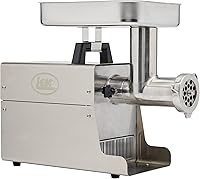
The LEM BigBite #12 has a 0.75 HP motor and a noise-dampening design. It ships with three plates, a knife, a stomper, and stuffing tubes, so chicken mince and sausage both fit the same machine.
Best for high-volume grinding
The VEVOR #12 runs on a 750W / 1HP motor and includes two grinding plates plus three stuffing tubes. Its removable parts are dishwasher-safe, which helps after a long session with raw chicken.
Best for small batches and no outlet
The LHS grinder runs on the crank alone, so it suits small kitchens and travel. Its stainless steel blades and 2 plates cover coarse and fine chicken mince, and the suction base holds it steady while you turn the handle.
Working out how much meat you'll run each week tells you which of these fits. Our guide to what size meat grinder do I need breaks down capacity by batch size.
If you're still comparing models, the meat grinders under 200 dollars roundup covers the value end of the market.
Chicken bones are a separate question. Our guide to whether you can grind bones in a meat grinder explains which machines handle them.
If you don't own a grinder yet, how to grind beef without a meat grinder shows the food-processor route that also works for chicken.
How do you grind chicken with a meat grinder at home?
Grind chicken with a meat grinder by chilling the meat and head, cutting it into feed-tube-size strips, and running it through the coarse plate first. Feed slowly with the pusher and switch to a fine plate for a smoother mince.
Choose the LEM BigBite #12 for steady family-size loads with sausage gear included. Go with the VEVOR #12 if you grind chicken in bulk and want dishwasher-safe parts.
Pick the LHS hand-crank for small batches without an outlet. Keep the meat cold, clean the head straight after grinding, and cook the mince to 165 F.
Those three habits keep the job safe and the grinder ready for the next batch.
Frequently asked questions
Can you grind raw chicken in a meat grinder?
Yes. Raw chicken grinds well once it's cut into strips and kept cold.
The meat is soft and lean, so it moves through the auger quickly; a partly frozen piece holds its shape and gives a cleaner cut.
Should you use skin-on or skinless chicken?
Either works. Skin adds fat and flavor but makes a looser mince.
For burgers and meatballs that hold together, skinless breast or thigh gives a firmer mix.
How do you keep chicken mince safe to eat?
Keep chicken and the grinder cold the whole time. Wash your hands and the cutting board after handling raw meat, then cook the mince to 165 F before eating.
Can you grind frozen chicken?
Hard-frozen chicken won't feed through a home grinder and can strain the motor. Partly frozen chicken, firm but still sliceable, is the easier choice.
How do you clean a meat grinder after grinding chicken?
Disassemble the head and wash the removable parts in warm soapy water. Wipe the motor housing with a damp cloth only.
Rinse the auger and plates well so raw chicken doesn't sit in the crevices.