How Much Is a Meat Slicer?
A meat slicer for home use is a budget to mid-range buy, while a commercial-style machine costs more. The price follows motor size, blade diameter and build: a 200W home slicer with an 8-inch blade sits at the low end, and a 10-inch machine with a 320W motor sits above it.
On this page (7 sections)
- What drives the price of a meat slicer?
- How much is a meat slicer for home kitchens?
- How much more does a commercial-style slicer cost?
- What features push the cost up or keep it down?
- Is a bigger blade worth the extra money?
- What does a meat slicer cost to own over time?
- Which meat slicer should you buy at each price tier?
A meat slicer for home use is a budget to mid-range buy, while a commercial-style machine costs more. The price follows motor size, blade diameter and build, so a 200W home slicer with an 8-inch blade sits at the low end and a 10-inch machine with a 320W motor sits above it.
That range is why "how much is a meat slicer" has no single answer. A family slicing turkey and cheese for sandwiches needs far less machine than someone processing game or running a small kitchen, and the price reflects that gap.
What drives the price of a meat slicer?
Motor power and blade size set the price more than any other feature. A 200W motor with an 8.6-inch blade is the budget layout, and a 320W motor with a 10-inch blade is the step up.
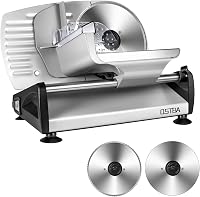
The CUSIMAX 8.7-Inch Meat Slicer shows the first setup: a 200W motor, an 8.7-inch stainless blade and a 1–20mm thickness dial. It's built for home cutting, and its removable carriage, pusher and blades keep cleanup simple.
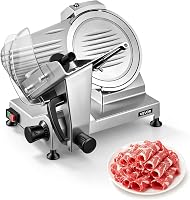
The KWS 10NS 10-Inch Meat Slicer shows the second. It carries a 320W belt-driven motor and a 10-inch NSF certified blade, and KWS says the extra power holds speed through long slicing runs where a 240W motor can slow.
Weight tracks the same line. The CUSIMAX unit weighs 10.8 lb and the KWS machine weighs 37 lb, because the heavier build carries cast aluminum and a bigger blade.
You pay for that stability and motor size, and you also carry it.
How much is a meat slicer for home kitchens?
A home meat slicer is a budget buy, and that's the tier most readers should shop. It suits a few pounds of meat and cheese a week, not a daily deli counter.
The VEVOR 8.6-Inch Deli Slicer fits this group. It runs a 200W motor at 70–100 RPM, comes with a serrated and a non-serrated blade, and adjusts from 0 to 0.6 inches (0–15mm).
VEVOR lists frozen meat, ham, steak and baguettes among its uses.
What you get at this level is a machine for sandwiches, charcuterie and meal prep. The CUSIMAX model's two blades cover bread and produce as well as meat, and both parts lift out for washing.
What you don't get is speed through a large batch. A 10-inch blade covers more food per pass, and a stronger motor resists slowing on dense cuts.
For weekly family slicing, neither gap changes much.
Home units also ask for short runs. CUSIMAX says not to run its slicer for more than 7 minutes at a stretch, so plan a rest between batches.
See the CUSIMAX meat slicer review for the full picture on that model.
How much more does a commercial-style slicer cost?
A commercial-style slicer costs more, and the jump is real. The extra money goes into the motor, the blade, the frame and the safety listing.
The KWS 10NS is the example here. Its 320W motor is 33% more powerful than the 240W motors KWS compares it to, and KWS says that power holds steady speed without overheating on tough or frozen cuts.
The blade is 10 inches and NSF certified, and the whole unit is ETL listed.
That combination is what a home cook processing a deer or a small kitchen slicing daily needs. The cast aluminum body reduces vibration, and springs on the food tray help push the product through.
The trade-offs are size and weight. At 20.1 x 18.5 x 15.5 inches and 37 lb, it takes real counter space and a firm spot to sit.
The 10-inch blade also costs more to replace when the time comes.
For most households this tier is more machine than the job needs. If you slice a few pounds a week, the budget tier does the work and leaves counter room.
What features push the cost up or keep it down?
Thickness adjustment, blade count and removable parts change the price less than you'd think, but they change daily use a lot. A dial and a second blade are common at the low end, while a built-in sharpener is the bigger add.
- Thickness dial: the CUSIMAX and VEVOR machines both adjust slice width, from 1–20mm on the CUSIMAX and 0–15mm on the VEVOR. The KWS dial goes to 14mm. All three cover thin deli cuts up to thick steaks.
- Second blade: the CUSIMAX and VEVOR units ship with serrated and non-serrated blades. The KWS uses one 10-inch blade and offers an optional bread guide sold on its own.
- Sharpening: KWS builds dual whetstones into the machine, so you touch up the edge without buying stones. On other models you handle that yourself.
- Cleaning parts: removable carriage, pusher and blade are standard on the CUSIMAX and VEVOR units. KWS makes the same parts removable on a heavier frame.
A feature that costs more up front can save later. Built-in sharpening and spare stones reduce the upkeep bill, and removable parts mean you clean without tools.
Is a bigger blade worth the extra money?
Yes, if you slice dense or semi-frozen food in volume; no, if you slice deli meat for sandwiches. Blade size decides how much food each pass covers and how much motor the machine needs behind it.
An 8.6 to 8.7-inch blade suits home portions. The VEVOR and CUSIMAX blades are close in size, and both machines are light enough to move when you need the counter back.
A 10-inch blade suits bigger jobs. The KWS blade is precision-ground and food-grade, and KWS says it holds its edge under normal use without frequent sharpening.
The larger diameter also means a longer cut per stroke.
Bigger is not free. A 10-inch blade needs more motor to spin it well and more cabinet space around it.
If your kitchen is tight, measure before you commit to the larger machine.
The honest split is simple. Pick the smaller blade for weekly sandwiches, and pick the larger one when you process meat in batches or slice partly frozen cuts.
What does a meat slicer cost to own over time?
The running and upkeep costs are small next to the machine itself. Electricity is brief, and the main long-term expense is blade care or replacement.
Home slicing is short work. A 200W motor on a few minutes a week adds little to a power bill, and even the 320W KWS runs only during a cut.
Don't let running cost drive the decision.
Blades are the real upkeep line. A stainless blade resists rust and food-acid damage, and KWS describes its 10-inch blade as designed to hold an edge.
Models without a built-in sharpener need stones or a service visit over the years.
Cleaning time counts too. Removable parts on all three machines here cut the job down, and the CUSIMAX carriage, pusher and blades all lift out.
Hand wash is the norm, and KWS lists hand wash only for its machine.
A warranty softens the risk. KWS offers a 1-year factory limited warranty, and CUSIMAX backs its slicer with an 18-month promise.
Those terms matter more than a small gap in the sticker.
Which meat slicer should you buy at each price tier?
Buy the 200W home slicer for family slicing and the 320W 10-inch machine for volume. Skip the bigger tier unless you process meat in batches or slice semi-frozen cuts often.
For most readers asking how much is a meat slicer, the budget tier is the right spend. The CUSIMAX and VEVOR models cover meat, cheese and bread, and their removable parts make cleanup easy.
Compare them in our guide to the best meat slicer for the money.
Step up to the KWS if your cutting runs long or the food is tough. Its motor and 10-inch blade carry that load, and the built-in sharpener keeps the edge in shape.
Read what is the best brand of meat slicer before you settle on a name.
One last check before you order: confirm what your machine will cut. Our answer to can a meat slicer cut frozen meat explains which models handle semi-frozen food and which don't.
Frequently asked questions
Is a cheap meat slicer worth buying?
Yes, if you slice a few pounds a week and mostly cut deli meat, cheese and bread. A 200W home model handles that load, but check the blade size and cleaning parts before you buy.
Do commercial meat slicers cost a lot more to run?
No, running costs stay low either way. A bigger motor draws more power during a cut, but home use is brief, so electricity is a minor part of the total you spend.
What is the most important part of a meat slicer to spend on?
The motor and blade. A stronger motor holds speed through a dense cut, and a larger stainless blade slices more in one pass.
Thickness adjustment and removable parts matter next.
Can a cheap meat slicer cut frozen meat?
Some machines are sold for semi-frozen cuts, and a 10-inch model with a stronger motor does it best. Check the instructions first, since many home slicers say not to slice fully frozen food.
Do I need to buy sharpening stones for a meat slicer?
Not with every model. Some include a built-in sharpener or spare stones, and others expect you to sharpen the blade yourself.
That affects the long-term cost of ownership.